
English
Learn how to form the present continuous (aka present progressive), and when to use it. The present continuous signifies something that is happening right now.To form

Learn how to form the present continuous (aka present progressive), and when to use it. The present continuous signifies something that is happening right now.To form
Singular and Plural Nouns Singular = one Plural = two or more The plural form of a noun usually ends in -s, -ies, or -ses Some plurals do

Learn when and how to use the indefinite article “a/an” when using singular nouns. “A/a” is an indefinite article used before a singular noun“An/an” is

In English, the definite article, “the,” is used when referring to a person or thing previously mentioned or specifically known from before. For example: I

Adjectives a words that describe a noun in a sentence by adding a quality of attribute (size, shape, color, etc). One could say, adjectives “modify” a noun,

The Simple Present is a grammatical tense that is used when we talk about something that happens always, usually or habitually. It happened in the

The subject in a sentence is the entity (person, thing, object or place) that is doing something. When a pronoun (I, you, he, she, it,

The Verb to be is one of the most used verbs in the English language. It has different forms. Below are the positive and negative
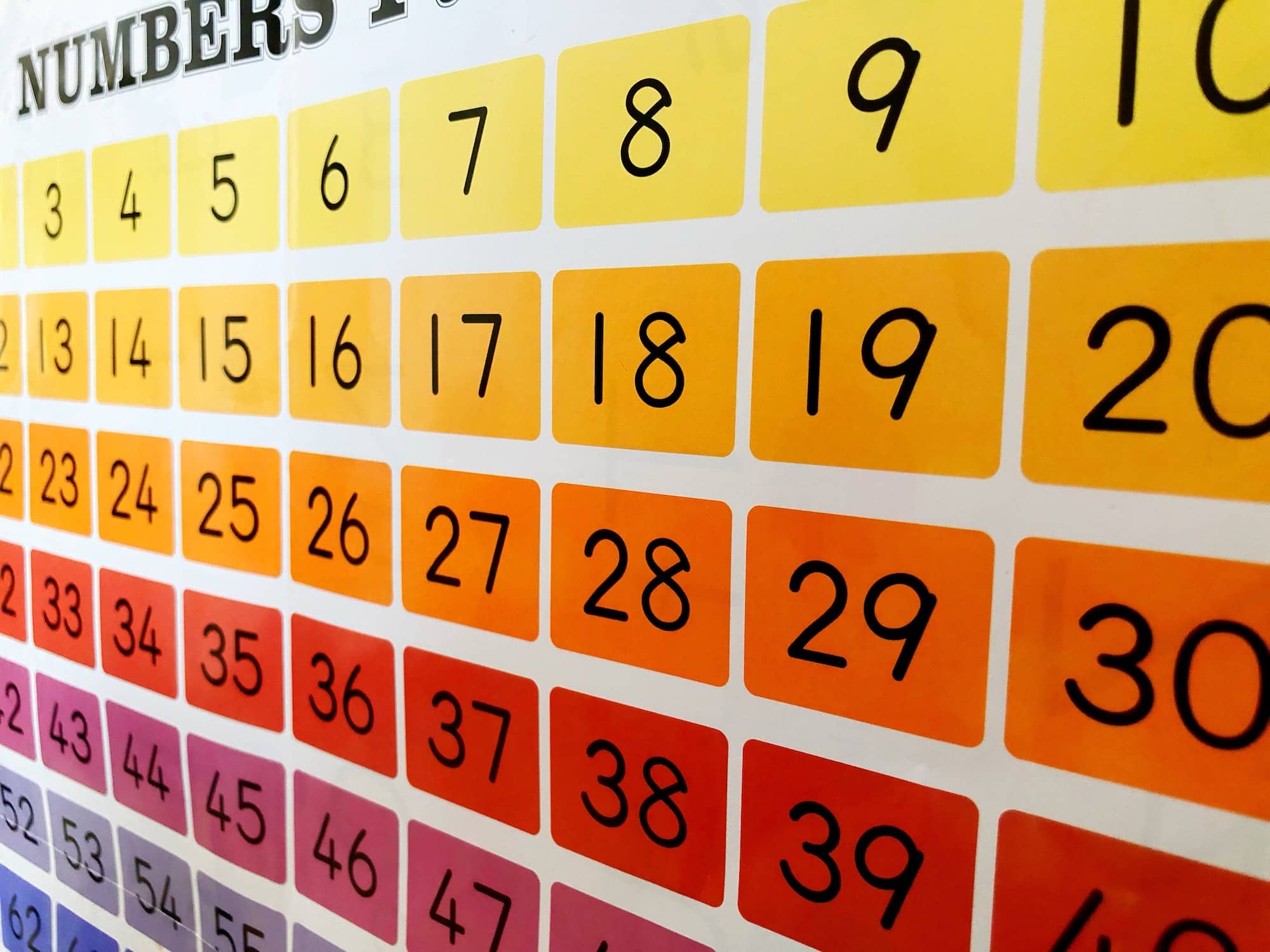
To form a number between 20 and 100, we use the same principle: Base number (tens) + digit (ones).23 = twenty-three, 33 = thirty-three, 43
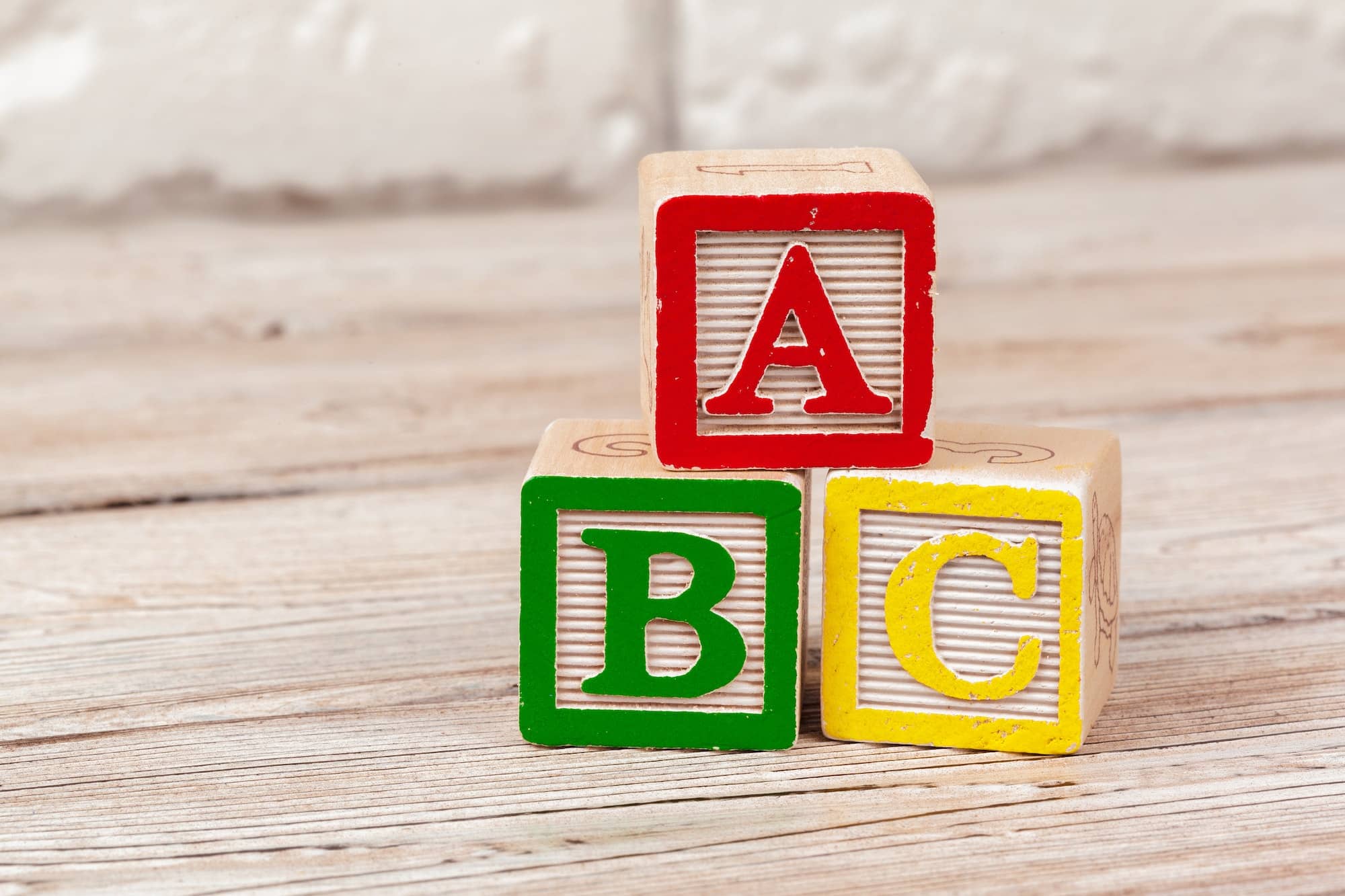
Phonics Rules The vowels are “a,e,i,o, and u”; also sometimes “y” & “w”. This also includes the diphthongs “oi,oy,ou,ow,au,aw, oo” and many others.The consonants are